
Creating a home office that is both relaxing and productive is essential for anyone who spends significant time working from home. A well-designed workspace can improve focus, increase efficiency, and reduce stress. Whether you are setting up a brand-new home office or looking to refresh your current space, this guide offers practical advice to help you strike the right balance.
Choose the Right Location
Prioritise Natural Light
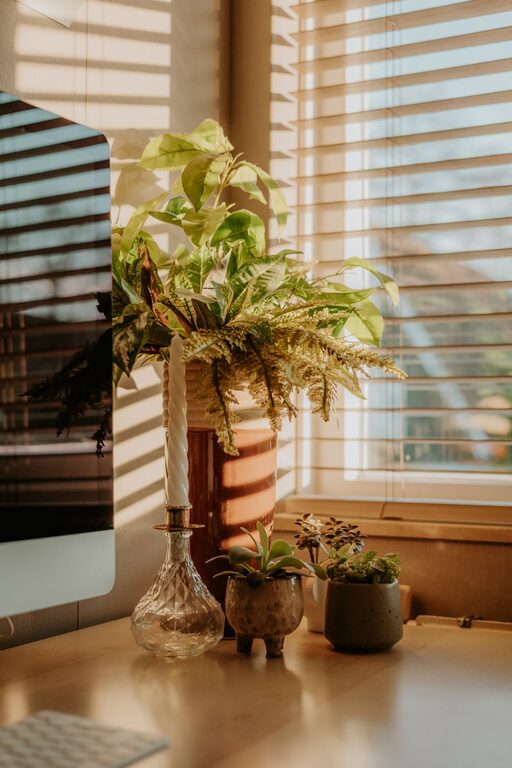
Placing your workspace near a window allows you to enjoy natural light, which can improve mood and reduce eye strain. Position your desk so that light comes from the side, avoiding glare on your screen. If natural light is limited, choose full-spectrum bulbs that mimic daylight.
Minimise Distractions
Select a quiet corner or room where interruptions are minimal. Having a dedicated office space helps your brain switch into work mode and separates work from home life. Use noise-cancelling headphones or white noise machines if external sounds are an issue.
Invest in Ergonomic Furniture
Comfortable Chair
Spend time choosing a chair that supports good posture. Look for adjustable height, lumbar support, and cushioning that promotes comfort during long hours. Sitting correctly reduces the risk of back pain and fatigue.
Functional Desk
Opt for a desk with enough surface area for your computer, paperwork, and other essentials. Standing desks or adjustable sit-stand desks can enable you to change posture throughout the day, which is good for health and focus.
Keep Your Workspace Organised
Declutter Regularly
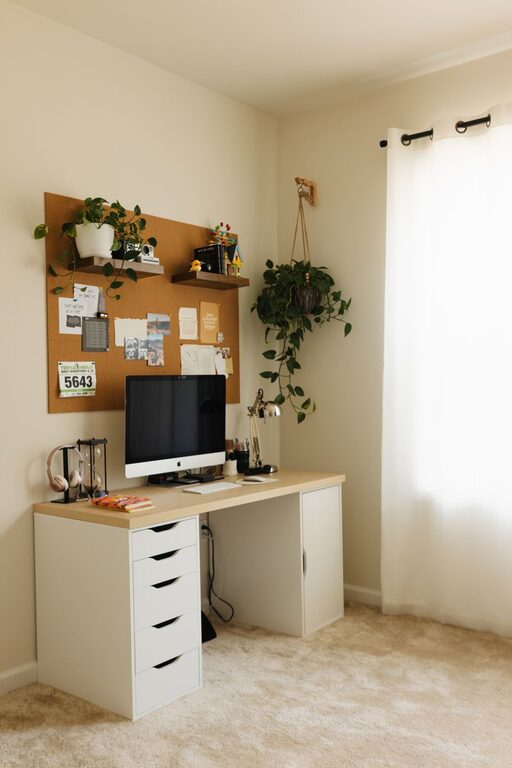
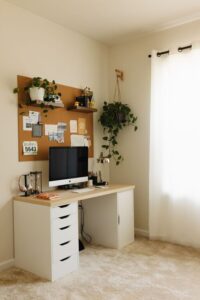
A cluttered desk can increase stress and reduce concentration. Keep only what you use daily on your desk. Store other items in drawers, shelves, or organisers.
Use Storage Solutions
Incorporate storage solutions like filing cabinets, trays, or boxes to keep documents and supplies orderly. Label containers so you can find items quickly. Digital tools like scanners can help reduce paper.
Personalise Your Space Thoughtfully
Add Calming Elements
Introduce plants, soft lighting, or artwork that uplifts your mood without distracting you. Greenery can improve air quality and create a tranquil atmosphere.
Choose Soothing Colours
Colours like soft blues, greens, or neutrals are known to promote calmness. Avoid overly bright or dark palettes that may cause eye strain or tension.
Optimise Lighting and Temperature
Task Lighting
In addition to natural light, have adjustable task lighting such as a desk lamp to focus on detailed work. Warm light is gentler on the eyes in the evening.
Comfortable Temperature
Work in a space where you can control the temperature. Too hot or too cold environments can be distracting and affect your productivity. A small fan or heater might help regulate comfort levels.
Develop a Routine and Boundaries
Set Working Hours
Even though you work from home, keeping regular hours helps separate work time from relaxation. Use alarms or schedules to remind yourself to take breaks and finish work.
Define Your Office Hours to Others
Make sure family members or housemates know when you are working to reduce interruptions. Use signals like a closed door or putting on headphones.
Include Break and Relaxation Spaces
Mini Retreat Area
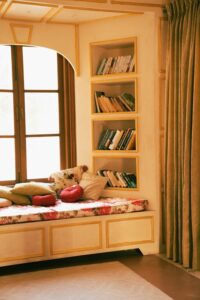
If space permits, create a small corner with a comfortable chair or cushions where you can rest during breaks. Stepping away briefly from your desk can refresh your mind.
Incorporate Movement
Have space to stretch or do light exercises. Movement breaks reduce stiffness and improve circulation, supporting longer periods of focus later.
Use Technology Wisely
Reliable Equipment
Invest in good-quality computer hardware, internet connection, and accessories to avoid technical frustration. Keep cables tidy with clips or channels.
Minimise Notifications
Turn off non-essential notifications on your devices during work hours to stay focused. Use tools like focus apps or timers to manage tasks efficiently.
Personal Wellbeing Practices
Take Regular Breaks
Use techniques such as the Pomodoro method, working for 25 minutes then taking a 5-minute break. Regular breaks prevent burnout and maintain productivity.
Stay Hydrated and Nourished
Keep a water bottle nearby and eat balanced snacks to maintain energy. Avoid overly sugary or processed foods that can cause energy dips.
—
By intentionally designing your home office environment, you create a space where you can work effectively while feeling comfortable and relaxed. Small adjustments in lighting, furniture, organisation, and routine can make a significant difference to your daily experience. Remember that flexibility is important – don’t hesitate to tweak your setup as your needs evolve. With these tips, you’re well on your way to building a home office that supports both your productivity and wellbeing.