

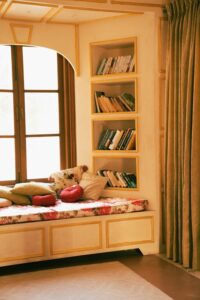

Creating a home office that balances comfort and productivity is essential for anyone working remotely or studying at home. A well-designed space can improve focus, reduce stress, and make your working hours more enjoyable. Whether you have a dedicated room or just a small corner, these simple tips will help you create a relaxing and efficient home office.
Choose the Right Location
Consider Natural Light
Natural light has a positive effect on mood and energy levels. Aim to place your desk near a window if possible. This will reduce eye strain and make your space feel more inviting. Avoid harsh sunlight that causes glare on your screen by using sheer curtains or blinds to control brightness.
Minimise Distractions
Select a quiet area where you can concentrate without interruptions from household noise or foot traffic. If you have limited space, consider using room dividers or noise-cancelling headphones to create a focused environment.
Invest in Comfortable Furniture
Ergonomic Chair and Desk
Comfort is key for maintaining productivity throughout the day. Choose an ergonomic chair that supports your lower back and encourages good posture. Pair it with a desk at the correct height to avoid strain on your wrists and neck.
Flexible Desk Options
If possible, consider a desk that allows you to switch between sitting and standing. Moving throughout the day can increase energy and reduce discomfort.
Keep Your Workspace Organised
Declutter Regularly
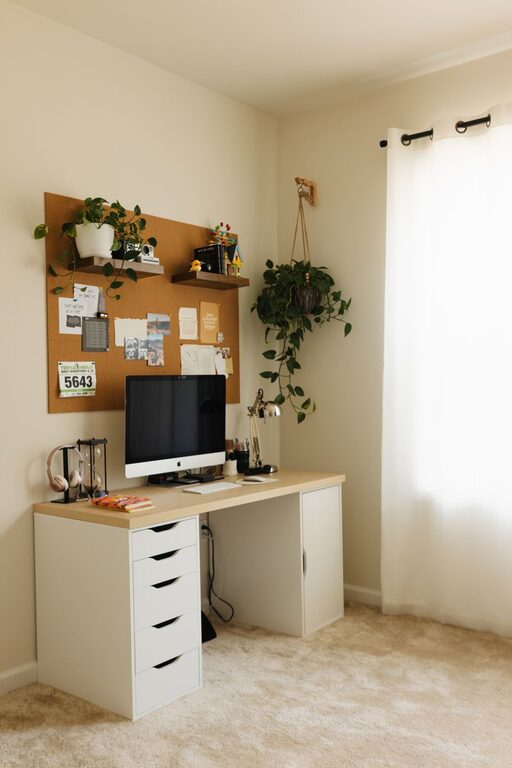
A clutter-free space helps clear your mind and reduces distractions. Keep only essential items on your desk and store other materials in drawers or shelves.
Use Organisers and Storage Solutions
Invest in desk organisers, filing trays, and cable management tools to keep everything tidy. Label boxes or folders to make it easy to find documents when you need them.
Personalise Your Space Mindfully
Add Calming Colours
Choose colours that promote relaxation and focus, such as soft blues, greens, or neutrals. These tones create a peaceful atmosphere and can reduce stress.
Include Plants
Indoor plants not only improve air quality but also add a touch of nature that can boost your mood and creativity.
Decorate with Meaning
Add a few personal touches like photos or artwork that inspire you, but avoid overcrowding your space.
Optimise Lighting and Air Quality
Use Layered Lighting
Combine natural light with task lighting like desk lamps. Adjustable lighting helps prevent eye strain and keeps you alert during darker hours.
Keep the Air Fresh
Ensure good ventilation by opening windows regularly or using an air purifier. Fresh air can enhance concentration and overall wellbeing.
Establish Routines and Boundaries
Define Office Hours
Set clear working times to separate work and personal life, making it easier to relax after the day ends.
Designate a 'Start Work' Ritual
Create a simple routine that signals the beginning of your workday, such as brewing tea or organising your desk. This helps your mind shift into work mode.
Incorporate Technology Wisely
Choose the Right Equipment
Invest in reliable devices and accessories like a good-quality monitor, keyboard, and headset to improve efficiency.
Manage Digital Distractions
Use apps or browser extensions that block distracting websites during work hours and keep notifications to a minimum.
Take Regular Breaks and Move
Follow the 20-20-20 Rule
Every 20 minutes, look at something 20 feet away for 20 seconds to reduce eye strain.
Stretch and Walk
Regular movement helps prevent stiffness and improves circulation, keeping you fresh and focused.
—
By following these simple tips, you can create a home office that not only supports your productivity but also promotes a calm and pleasant working atmosphere. Tailor your office setup to your needs, and remember that small changes can make a big difference in how you feel and perform during your workday.