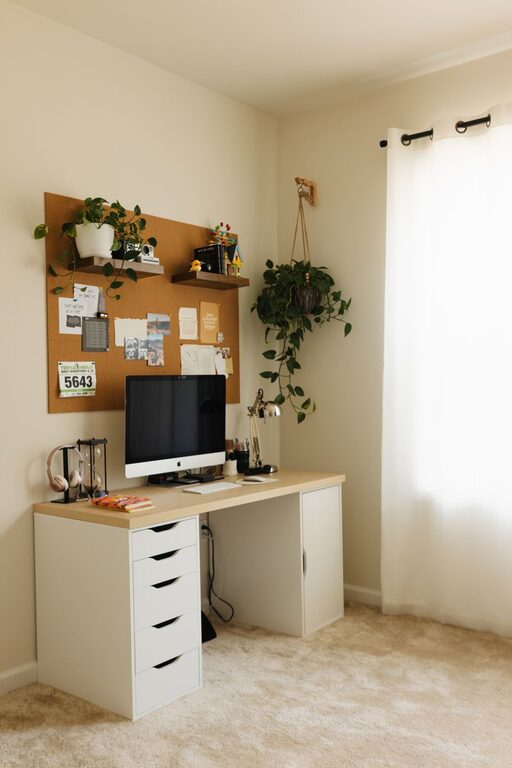



Creating a productive and relaxing home workspace is essential for anyone working remotely or studying from home. An effective workspace helps maintain focus, reduces stress, and improves overall well-being. In this post, we’ll guide you through practical tips to set up a space that feels both calming and conducive to productivity.
Choose the Right Location
The first step is picking the ideal spot in your home. Consider the following:
– Natural Light: Select a space near a window if possible. Natural light boosts mood and concentration.
– Quiet Environment: Find a quiet corner or room away from household distractions.
– Space Availability: Ensure there is enough room for your essentials, such as your desk, chair, and storage.
If space is limited, don’t worry; even a small nook can become a functional workspace with the right setup.
Invest in Comfortable Furniture
Your choice of furniture dramatically affects your comfort and productivity.
Ergonomic Chair
A chair that supports your back and encourages good posture helps prevent aches and strains. Look for chairs with adjustable height and lumbar support.
Appropriate Desk
Choose a desk that fits your space and needs. If you prefer standing sometimes, consider a sit-stand desk. Ensure your desk is at a comfortable height for typing and writing.
Organise Your Workspace Effectively
Clutter can be distracting and stressful, so keeping your desk tidy is key.
– Use Storage Solutions: Drawers, shelves, and desk organisers keep essential items within reach but out of sight.
– Cable Management: Use clips or cable ties to keep wires neat and prevent tangling.
– Minimalism: Only keep what you need daily on your desk.
Regularly clear and tidy your workspace to maintain a fresh and inviting environment.
Personalise Your Space
Adding personal touches can make your workspace more inviting and inspiring.
– Plants: Greenery adds colour, freshness, and can improve air quality.
– Artwork or Photos: Display calming images or motivational quotes.
– Colours: Incorporate soothing colours like soft blues or greens to promote relaxation.
However, avoid over-decorating, as too many distractions can reduce productivity.
Optimise Lighting
Good lighting reduces eye strain and keeps you alert.
– Natural Light: Maximise daylight by positioning your desk near windows.
– Task Lighting: Use adjustable desk lamps for focused light during late hours.
– Avoid Glare: Position screens and lights to reduce reflections.
Adjust your lighting setup according to the time of day and your activities.
Create Clear Boundaries
Working from home can blur lines between work and relaxation. Establishing boundaries helps maintain balance.
– Defined Workspace: Use a separate room or corner only for work.
– Set Working Hours: Stick to regular start and finish times.
– Communicate Boundaries: Let household members know when you are working to minimise interruptions.
These practices support both productivity and mental well-being.
Manage Noise Effectively
Noise can be distracting, but there are ways to manage it:
– Noise-Cancelling Headphones: Useful for blocking out background sounds.
– Background Music: Soft instrumental music or white noise can improve focus.
– Soundproofing: Use rugs, curtains, or acoustic panels to reduce echoes.
Experiment to find what noise levels suit your concentration best.
Prioritise Ergonomics and Health
Taking care of your body helps maintain productivity throughout the day.
– Regular Breaks: Follow the 20-20-20 rule — every 20 minutes, look at something 20 feet away for 20 seconds.
– Stretching: Incorporate simple stretches to relieve tension.
– Hydration and Snacks: Keep water and healthy snacks handy to stay energised.
Good habits prevent fatigue and discomfort.
Use Technology to Your Advantage
Leverage technology tools to streamline your workflow.
– Task Management Apps: Tools like Trello or Asana keep tasks organised.
– Calendar Reminders: Set up regular breaks and appointments.
– Optimised Equipment: Ensure your computer, keyboard, and mouse are comfortable and efficient.
Ensure your internet connection is reliable to avoid interruptions during work.
Maintain a Regular Cleaning Routine
A clean workspace promotes a calm mindset.
– Daily Tidy-Up: Spend a few minutes at the end of the day organising.
– Weekly Deep Clean: Dust surfaces, clean equipment, and refresh the air.
A clean environment helps maintain energy and focus.
—
Setting up a relaxing and productive home workspace doesn’t need to be complicated. By making intentional choices with location, furniture, organisation, and your daily habits, you can create a space that supports your best work and wellbeing. Remember, small changes can lead to big improvements over time!